
March Break is a wonderful opportunity for families to slow down, spend time together, and explore new activities. However for some children, breaks from the regular school routine can sometimes bring both excitement and challenges.
With a little planning and flexibility, March Break can become a positive and enriching time for childrenand their families.
Maintaining a Predictable Routine
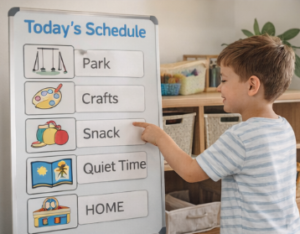
Many children thrive on structure and predictability. During school breaks, maintaining some elements of the regular daily routine can help provide a sense of stability. Consider creating a simple visual schedule for the week that outlines planned activities, meal times, and downtime. Knowing what to expect can help reduce anxiety and support smoother transitions between activities.


Choosing Sensory-Friendly Activities
When planning March Break activities, consider options that are sensory-friendly and predictable. Some ideas include:
-
Nature walks or visits to quiet parks
-
Crafting and creative art projects at home
-
Building activities with LEGO, blocks, or puzzles
-
Cooking or baking simple recipes together
-
Visiting libraries during quieter hours
-
Structured playdates with one or two familiar peers
Activities that allow children to explore interests while feeling comfortable and supported often lead to the most positive experiences.
Supporting Social Opportunities
School breaks can also be a great time to practice social skills in natural environments. Small group activities, cooperative games, or shared creative projects can encourage communication, turn-taking, and problem-solving in a relaxed setting. Structured social groups or program specially designed to practice social skills can also provide supportive opportunities to connect with peers while developing confidence and social competence.Balancing Activity and Downtime
March Break often brings opportunities for outings and special events, but it is important to balance stimulating activities with quiet, restorative time. Some children may become overwhelmed by busy environments such as crowded museums, indoor playgrounds, or large community events.
Plan for breaks throughout the day where your child can relax in a calm space, engage in preferred activities, or simply recharge.


Preparing for Outings
If your family is planning outings during March Break, preparation can make a big difference. Before leaving home, consider:
-
Reviewing where you are going and what will happen
-
Showing pictures or maps of the location
-
Packing familiar comfort items or sensory tools
-
Planning an exit strategy if your child becomes overwhelmed
Preparing children ahead of time helps build confidence and reduces uncertainty.
A Time for Connections
Above all, March Break can be a meaningful time for connection, exploration, and shared experiences. By focusing on your child’s interests, maintaining supportive routines, and providing opportunities for success, families can create a break that is both enjoyable and empowering.
At ABA Connections, we believe that every child thrives when learning happens through engaging, supportive, and individualized experiences. March Break is a wonderful reminder that learning and growth can happen everywhere—at home, in the community, and through everyday moments together.